Friday, January 17, 2025

What Are The Considerations for Log Home Restoration Estimates?


Most experienced log homeowners have a basic understanding of what log home maintenance entails. However, many do not realize all of the factors that go into a log home restoration estimate. When we quote a restoration or maintenance job, we must not only walk through our log home maintenance checklist to determine what work is necessary but also consider travel and equipment requirements, the style of log home we are working on, and the home’s maintenance history. If you have questions about all of the factors we consider in a log home estimate, you’re in luck because we have all the answers! By the time you read this post, you will also have this Log Master knowledge at your disposal. Basic Information Needed to Start Your Restoration Estimate When homeowners call our toll-free number, we will ask for the basic information most service providers need to begin a project. This includes: First and last name Phone number and email address The physical address of the cabin The square footage of your log home What prompted you to call? It seems normal, but some prefer to keep out their phone number or physical location out of fear. Rest assured, we do not share information collected or sell our client list. We hate it when companies do it to us, so to avoid hypocrisy and show respect for our clients, we refuse to participate in selling our client list. Whatever you share stays in-house for in-house use only. After we collect this basic information, we will ask you to send us photographs of your log home. Log Home Photos: A Necessity for Online Estimates They say a picture is worth a thousand words, and this could not be truer when providing a log home restoration estimate. These images give us an idea of the log home’s condition and help us determine the cabin’s floor plan, the land surrounding the home, and any obstacles we may need to work around. In many cases, it’s easier for us (and for you) if we can see the log home. This is because it’s hard to verbalize certain types of damage or areas of concern. List of Suggested Pictures This list of suggested log home photographs ensures your log home’s needs are effectively communicated. Please keep in mind this list is not exhaustive, and we may request additional photos for more context. To start, we suggest you take pictures of the following environmental obstacles: A house over a lake or water Road access problems Power lines that are attached to the log cabin Your windows and door frames (common areas for log rot or insect damage) Facia and nearby logs Logs near the ground (especially if the log height is less than one foot above the ground) Areas of regular shade (you will often see a green hue on these logs) West and south-facing walls (they get the most rain) East and north-facing walls (especially if your location makes it difficult for them to dry out) Decks (if you want it included in your estimate) Posts or columns on the front or back porches Any cracks, bubbling, or weathered chinking and finishing Extended horizontal checks (cracks) in the logs that may hold rain (typically on the top of a log) Signs of insects Other areas that would benefit from an expert eye Guidelines for Precise Pictures You can use a phone or camera to photograph the items mentioned above. The device does not matter; it’s the precision we care about in order to make an accurate repair or restoration estimate. This avoids inaccurate estimates or change orders once we arrive and begin the work. For areas of concern that include cracks, log rot, or other blemishes, we recommend using a ruler, tape measure, quarter, or soda to provide perspective within the images. Also, it helps if you can take multiple shots from different angles of potential log rot, insect damage, caulk or chink separation, and cracked or missing finishes. If you need clarification, please call us so we can assist you. Primary Factors Impacting Your Restoration Estimate One of the best things about log homes is most of them are unique. However, this means that we can’t provide cookie-cutter restoration estimates. We must evaluate each home with fresh eyes and assess what is needed. With your photos, we can accurately assess your log home’s needs. We may recommend the products and services listed below based on what we see. We love sharing our expertise to educate our clients on how the types of logs, caulk or chink, log rot or insect damage, and issues with clear finishes impact our log home repair estimate.  1. Type of Log Home Exterior What makes a log home a log home? The exterior and interior? Is it based on appearance or structural makeup? Depending upon who you ask, opinions on what qualifies as a log home vary. Big or small, there are two types of cabins: log-sided and log-built. Log Sided Homes Log-sided homes can look just as beautiful as a log cabin. This “log home look” is budget-conscious but requires regular maintenance, just like any other log home. We can replace pieces with log-sided homes if they are rotted without impacting the structural integrity. However, we must also take certain precautions to avoid damage to interior walls.  Additionally, log-sided homes are still log homes, meaning they must be regularly stained. Stain protects the wood from water and other elements while preserving its natural beauty.  We may ask additional questions about the type of log siding used on your home to provide the most accurate restoration estimate. Log-Built Homes There are a variety of styles for log-built homes, both in terms of log style and log species. These homes can be made from a variety of trees, including fir, cedar, pine, oak, and cypress. Furthermore, log homes can be built in different ways, such as full scribe, post and beam, timber frame, and more. These decisions are often made based on personal preferences and functionality, but they are also variables that can impact the cost of log home restorations and repairs. 2. Log Styles It’s also important for us to know the type (or types) of log style used to construct your cabin. Knowing your type of log style is generally easy to tell from pictures. However, your home may have multiple kinds of logs or styles of logs and log siding or a combination. It is not unheard of to discover part of the cabin was made with Douglas fir logs in a specific style and an addition to the home done in cedar logs of a different style and log siding around the foundation. Log styles can go a step further when considering the exterior log surface, joints, corners, and ends. Each of these also contributes to factors drastically impacting the time needed to fix log rot in a given area. Some log rot is only a foot or two in length. To save money, rather than order a complete log in that style, a skilled log master may cut/mill another log on the site. 3. Chink and Caulk Log homes typically use caulk or chink between the logs as a barrier from the elements and to protect the logs from water damage. The main difference between the two is elasticity and texture. Chink is more commonly used for large gaps between logs and is sometimes two inches wide, while caulk is used for smaller or tight gaps. Mortar vs. Synthetic Chink Two types of chinking are typically used in log homes: mortar and synthetic. Each has its pros and cons, and both can impact your log home repair estimate. Mortar chinking is a concrete-like substance that is generally cheaper and around 10% of the price of synthetic chinking. However, mortar can crack and break down as the house settles, allowing moisture between the logs. Also, mortar chinking can be more challenging to remove, especially if trapped moisture causes log rot. Nowadays, chink is made from synthetic material to allow for more elasticity to combat the seasons when the logs shrink and expand. Although the initial cost can be more expensive, it is far more durable and likely to prevent costly repairs in the future. Caulking Caulk is almost always used around windows and doors or small tight joints on log homes. It has a higher elasticity than chink but often lacks textures. Likewise, it comes in a few colors to match the stain, chink, making it nearly invisible to the naked eye. It is also much easier to apply than chinking, meaning less time spent restoring your home. Less time often equals lower costs. 4. Log Rot and Insects Customers often call us for restoration estimates because they have noticed areas of concern on the exterior of their homes. Both log rot and insect infestation can cause extreme damage and represent the bulk of the estimated costs. Log rot is at the top of most log cabin homeowners’ concerns. You may have noticed black behind the finish or chunky pieces falling away. These could be signs of log rot or a poor finish. Often, log rot occurs due to the homeowner’s inability to keep up with regular maintenance or their inability to heed the recommended care instructions of the log home builder. Unfortunately, since most types of log rot require us to replace the affected logs, it is a major consideration for log home restoration estimates. Insect damage comes in as a close second for homeowner concerns, as most types of insect infestations are highly visible. Although insect damage doesn’t always require us to completely replace logs, it does involve a series of removal and repair steps before we can re-stain the logs. 5. Damage From Previous Restoration Projects Given current prices for home construction materials, we know it is tempting to hire a friend or self-employed individual with construction experience to repair your log home. Construction or carpentry experience is a background we look for when hiring Log Master’s Apprentices, but it is not the only experience needed to restore log cabins. Carpentry is a great skill set with a lot of value. Any good carpenter could probably learn how to restore a log cabin with time and education. However, resto...

Via https://logmastersrestorations.com/blog/what-are-the-considerations-for-log-home-restoration-estimates/


source https://johnkbrown90.weebly.com/blog/what-are-the-considerations-for-log-home-restoration-estimates


Tuesday, January 14, 2025

A Log Home Maintenance Checklist for Restoration Estimates


Have you ever wondered what you should be doing to maintain your log home? Or are you looking for a guide to help you decide when to hire a log home restoration company to provide log home maintenance? Either way, Log Masters has the answers! After repairing and restoring log cabins for decades, we have learned the ins and outs of log cabin care. Quick Log Home Maintenance Checklist Before requesting a restoration estimate, we recommend all log homeowners inspect their log home for the following. Throughout the post, we will explore how to perform this maintenance checklist in depth. Rot or Decay: Soft spots, discoloration, or spongy wood on logs Cracks and Checks: Large or upward-facing cracks that may collect water Fading or Staining: Worn or discolored log finishes Sealant Issues: Gaps in chinking or deteriorating caulking around doors and windows Moisture Concerns: Poor roof overhangs, clogged gutters, or improper drainage Insect Damage: Holes, sawdust, or signs of carpenter bees or other pests Overgrown Landscaping: Vegetation or trees touching the logs, trapping moisture Foundation Grading: Ensure water flows away from your home Step 1: Please Check for Log Rot Log rot is a type of decay that occurs when fungi feed on wood. To check for log rot, use a steak skewer (or paint roller stick on a pole for high areas) to poke the logs. Solid logs are safe, but soft logs where the skewer sinks in are not. Note exactly where and how far into the log the skewer goes, then test these same logs to listen for hollow sounds when knocking the side of the log with a hammer. Hollow logs can also be an indicator of log rot. Log rot can appear anywhere on log homes. That being said, we highly recommend all homeowners check the following areas that are more susceptible to log rot: Area surrounding your window and door frames Logs near the ground (especially if the log height above the ground is below a foot) Areas that regularly receive shade Logs around your downspouts Posts or columns on the front or back porches All walls (west and south-facing walls get the most rain, while east and north-facing walls can struggle to dry out) Decks and porches Take notes and photograph any possible signs of log rot you discover. When you submit your estimate request, you can share these images and notes with us. Step 2: Inspect for Cracks and Checks Cracks, also known as checks, naturally occur as logs age and dry. However, larger or upward-facing cracks can trap water, leading to potential decay. Use a flashlight to inspect your logs for cracks closely. As you inspect, make note of any cracks wider than 1/4 inch or deep enough to hold water. Also, pay special attention to cracks facing upward, as they are more likely to collect moisture. When looking for cracks, focus your inspection on these areas: Logs around windows and doors The tops of logs on horizontal surfaces, like railings or porch beams Areas exposed to consistent rainfall or snow accumulation Take photos and measurements of any significant cracks to include with your restoration estimate request. Step 3: Assess for Fading or Stain Failure The finish on your logs protects the wood from UV rays and moisture. Over time, both oil and water-based log home stains can wear away, leading to discoloration or staining. To evaluate your logs, look for uneven color, dullness, or areas where water no longer beads up (a sign the finish is failing). Then, check for dark streaks or spots, which may indicate moisture penetration. As you assess fading and stain issues, pay close attention to: Walls exposed to direct sunlight, especially south- and west-facing sides Logs beneath eaves or overhangs with insufficient coverage Areas near sprinklers or splashback from rain Document areas of fading or staining with photos so our restoration professionals can recommend the appropriate treatment. Step 4: Examine Sealants and Caulking Sealants, including chinking and caulking, protect your log home from air and water infiltration. During your inspection: Look for gaps, cracks, or separations in the chinking between logs. Check caulking around windows, doors, and other seams for signs of wear or detachment. Pay close attention to corners where chinking may pull away. Also, examine window and door frames where caulking might crack. If you notice any sealant failures, document them with photos and a brief description for your estimate request. Step 5: Check Moisture and Drainage Excess moisture is a primary cause of log home issues. To ensure proper moisture control, you should regularly inspect roof overhangs, gutters, and downspouts to ensure all are working properly to direct water away from your log home. Please take photos of any drainage concerns, such as pooling water or clogged gutters, as these can be clear signs your log home requires maintenance. Step 6: Look for Insect Damage Insects like carpenter bees, termites, and wood-boring beetles can damage your log home by tunneling into the wood. Knowing what to look for can help you spot problems early. During your inspection, check for the following signs of insect activity: Small Round Holes Carpenter bees drill perfectly round holes, typically 1/2 inch in diameter, on the undersides of logs, eaves, or porch beams. Powderpost beetles may leave smaller, pin-sized exit holes. Sawdust or Frass Look for piles of fine sawdust (called frass) beneath holes or along logs, which is a sign of carpenter bee or beetle activity. Mud Tubes Termites build small, pencil-sized mud tubes along the foundation or wood surfaces to stay protected while traveling. Tunnels or Galleries in the Wood Check for visible tunnels inside logs, especially if you notice soft or hollow areas. This is often a sign of termite or beetle damage. Woodpecker Damage Unusual damage to your logs, such as holes or stripped bark, might indicate woodpeckers hunting for insects within the wood. Active Insects or Nests Spot live carpenter bees hovering near eaves or logs. Look for insect nests in corners, under porch ceilings, or near downspouts. Step 7: Review Landscaping Concerns Proper landscaping plays a vital role in protecting your log home. To ensure your landscaping isn’t causing issues, look for vegetation, like shrubs or trees, that is too close to the logs and trapping moisture. Check for ivy or other climbing plants that may damage the wood. Finally, ensure the ground slopes away from your home to prevent water from pooling near the foundation. As you walk through this step of your log home maintenance checklist, pay attention to: Trees with overhanging branches Bushes or plants growing within 2 feet of the logs Areas where mulch or soil is piled against the logs Complete Your Log Home Maintenance Checklist with Log Masters Following this checklist is the first step in protecting your log home. Regular maintenance not only ensures the beauty of your home but also helps prevent costly repairs down the road. If you’ve identified any issues during your inspection, don’t wait—contact Log Masters today for a comprehensive restoration estimate. With decades of experience, we’re here to help you restore, repair, and protect your log home for generations. Log Masters offers both online and in-person estimates. Regardless of which method you prefer, please have the following information handy when you contact us to submit your log home maintenance request: Your full name The complete address where your log home is located Your phone number and email address Your preferences on how and when we contact you Notes and photographs about any areas of concern you identified during your log home maintenance inspection Approximate square footage of your log home Environmental obstacles, such as a house over a lake or water Road access problems such as through the mountains or lack of a driveway The more information you can provide, the better we can assist you. If you’ve had a recent home inspection, those are always welcome. Don’t delay; submit an estimate request for log home maintenance and repairs today! The post A Log Home Maintenance Checklist for Restoration Estimates appeared first on Log Home Restoration, Maintenance & Additions | Log Masters.

Via https://logmastersrestorations.com/blog/contact-checklist/


source https://johnkbrown90.weebly.com/blog/a-log-home-maintenance-checklist-for-restoration-estimates

Tuesday, November 12, 2024

The Lodge in the Princeton Mountains October 27 2023


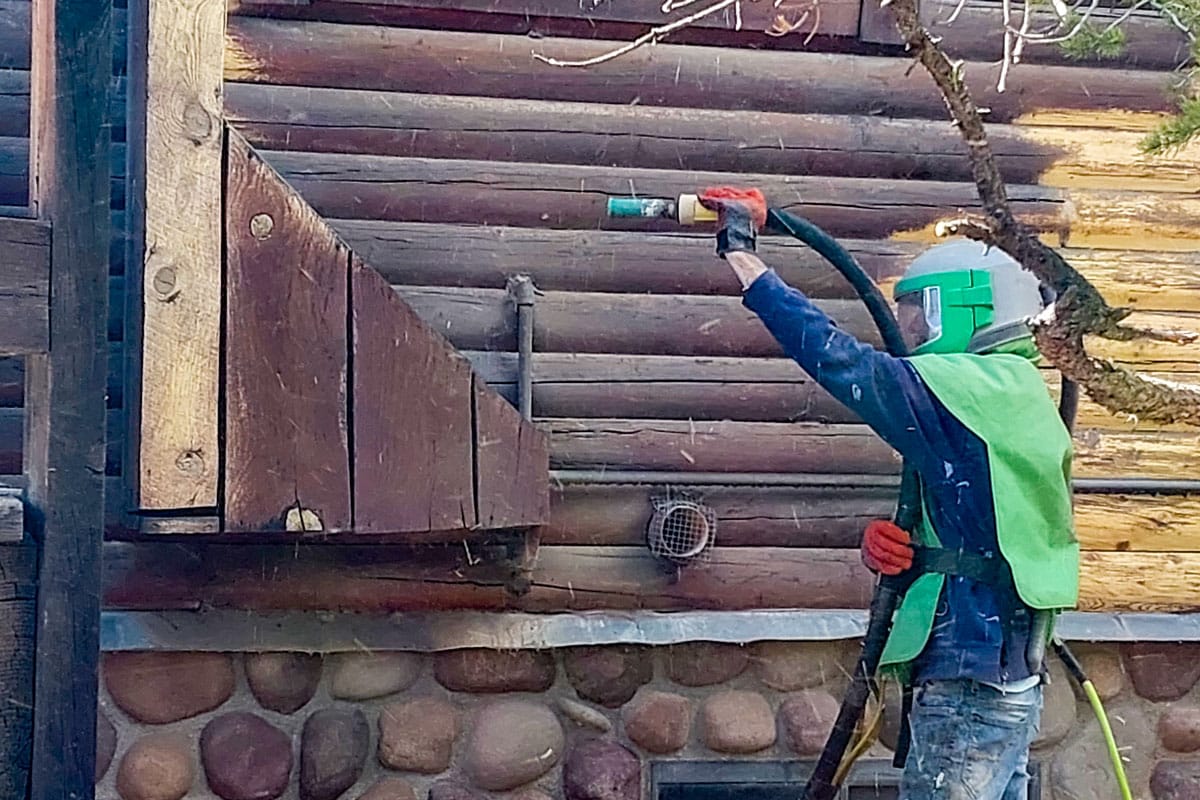
Just finished up this beautiful log home masterpiece! Media blasted, sanded, 100′ logs replaced, Sashco Capture/Cascade stained, picnic table & decks refinished, & chink painted. On October 27, 2023 – See on Facebook This fantastic log home structure took a few months of dedicated work and equipment. We enjoyed the time with the owner and being able to make his home exactly how he wanted it to look. Thank you for sharing on Facebook your pleasure with our services. Look forward to our first maintenance visit in 3 years. The post The Lodge in the Princeton Mountains October 27, 2023 appeared first on Log Home Restoration, Maintenance & Additions | Log Masters.

Via https://logmastersrestorations.com/video/the-lodge-in-the-princeton-mountains-october-27-2023/


source https://johnkbrown90.weebly.com/blog/the-lodge-in-the-princeton-mountains-october-27-2023

Monday, September 16, 2024

Why Subcontractors Partner with Log Masters Restorations


At Log Masters Restorations (LMR), we value our subcontractors’ expertise and offer flexibility and benefits to support your success. Here’s what you can expect when partnering with us: Control Your Schedule No Client Hassles Access To Health Benefits Support For Entrepreneurs Flexibility and Freedom Employment Opportunities Log Masters Restorations offers exciting opportunities for contracting crews to work on high-demand projects. Join us in maintaining top-quality standards while fostering entrepreneurship and growth. Our success stories, like Philemon’s journey from crew member to business owner, inspire the next generation of Log Masters. Table of Contents Be An Industry Leader Why Do Log Home Restoration Companies Hire Subcontractors Control Your Schedule We Handle the Details Our solution Our System No Client Hassles Feeling Overwhelmed Access to Insurance Benefits Support for Entrepreneurs Flexibility and Freedom Employment Opportunities  Be An Industry Leader In today’s log home preservation industry, many professionals prefer to take control of their work by becoming their boss. Subcontracting labor is a common practice among successful log home companies. While we do have a dedicated employee base and provide apprenticeships in the spring, the majority of experienced individuals in this industry prefer to work as 1099 subcontractors. This allows them to set their own work schedule, prioritize family time, take the winter off, and be available for other client projects. Why Do Log Home Restoration Companies Hire Subcontractors That’s a good question and one we asked ourselves. The simple answer is that the construction industry needs help with the labor workforce since few young people are choosing it as a career option. Almost everyone is struggling to find laborers, especially in trade-skill jobs. No one understands the importance of employee retention like those in the log home services business. Button Text Control Your Schedule You’re not an employee, so there is no clock in and out, giving you more freedom over your time. You can choose how many contracts you take on and dictate the terms of your service times. This flexibility allows you to plan family time around work or prioritize more profitable contracts when opportunities arise. Below is an additional explanation: Except where a contract dictates, and you’ve agreed, there are no dictated weekly expectations from 8 to 5, Monday through Friday, set schedules. However, these are often the best times to schedule services since the homeowners are often at work, or it is the general expectation by clients. We try to schedule restorations as soon as possible, as clients are often eager to restore their cabins as soon as possible. You will discuss the scope and amount of each contract before signing an agreement for services as a partner in the contract. You will be expected to finish contracts promptly under the supervision of our Log Masters Project Manager, who will guide you in meeting our LMR Quality Service Expectations. Project Managers will be available for additional training as needed. Example: You can take one contract from us in May, another with someone else, and return in August for another contract—it’s not a problem. Please let us know when you have scheduled openings; we will help you fill them out. We Handle the Details You are one of the most skilled contractors doing log cabin repairs, and you work hard, putting in weekends to respond to potential clients, set up for the next contract, pay taxes, handle financing and legal, marketing, etc. It’s a lot. Initially, you wear multiple hats and can hardly wear them all at once. Nick, founder of Log Masters, and Scott, owner & partner, have experienced this firsthand. If only there were six guys just like you taking care of the stuff you don’t like doing. Search no more because we may have your solution. Our solution We handle all material purchases and deliveries, client communication, and contract management so you can focus on your craftsmanship without distractions. All you’ll need is a bookkeeper to file your taxes, which you probably already have. If you don’t have one, B&C Accounting and Tax, LLC is a great firm that is familiar with log home restoration services and offers very affordable bookkeeping and tax filing services for contractors. Our System One thing we found challenging was juggling all the demands of running a company, as expected by state and federal rules and regulations, while also trying to provide the services. With our system, we handle all the back-end administrative work expected by clients, so you don’t have to. There is no need to play phone tag with potential clients & build detailed contracts only to discover they found someone else who answered the phone and immediately got a contract to them. Your downtime is your downtime again. No Client Hassles Our offices will manage all interactions with customers, neighbors, and vendors, freeing you to focus on what you do best. This was another problem we discovered when making contracts. Juggling customer calls promptly is one thing, but managing several types of communications can be challenging to organize and track. Feeling Overwhelmed It can be overwhelming to manage the business as a whole: collecting debts, paying overhead bills, ensuring contracts are signed and returned, quality-controlling employees’ work, payroll, and taxes, and handling communications from current and future clients. Not to mention all the other hundreds of people who regulate businesses that you’ll need to keep in contact with regularly, such as your lawyer, vendors, state and federal governing agencies, IRS, website team, or marketing team. It can destroy a good service business. We hope our system will benefit your growth. Access to Insurance Benefits Offering dedicated employees benefits like insurance isn’t easy for a small business, making it hard to keep skilled workers. Often, the cost is astronomical or unavailable due to company size. Regardless of your company’s size, you can access AFLAC health supplements and insurance options, including dental, vision, critical care, cancer, life, and short-term disability coverage, through our company & AFLAC at a meager cost. This allows you to secure essential coverage cheaply, providing extra peace of mind for your crew and family and making your employment more attractive. Support for Entrepreneurs If you need help setting up company insurance or your business, we’re here to offer advice! We believe in supporting entrepreneurs and are happy to provide guidance. Our team of managers has years of experience restoring cabins and can deliver your team training as needed upon request. Of course, like our team of Log Masters, we strongly encourage all our contractors to take classes with Perma-Chink Systems and Sashco Inc. to become familiar with their products as we use them the most, if not exclusively. Flexibility and Freedom Whether you want to take on as many contracts as possible or just a few, you can choose what works best for your lifestyle and business needs. If you are skilled in log home restoration and maintenance and willing to follow our quality expectations on contracts, we have plenty of work to keep you busy all summer. Employment Opportunities  If you prefer to be employed by us rather than subcontract, just let us know. We’re always looking for talented individuals to join the Log Masters team! The post Why Subcontractors Partner with Log Masters Restorations appeared first on Log Masters Restorations.

Via https://logmastersrestorations.com/blog/why-subcontractors-partner-with-log-masters-restorations/


source https://johnkbrown90.weebly.com/blog/why-subcontractors-partner-with-log-masters-restorations

Wednesday, July 24, 2024

Which Preserves & Protects Your Log Home Logs Best: Fire Charred or Stain?


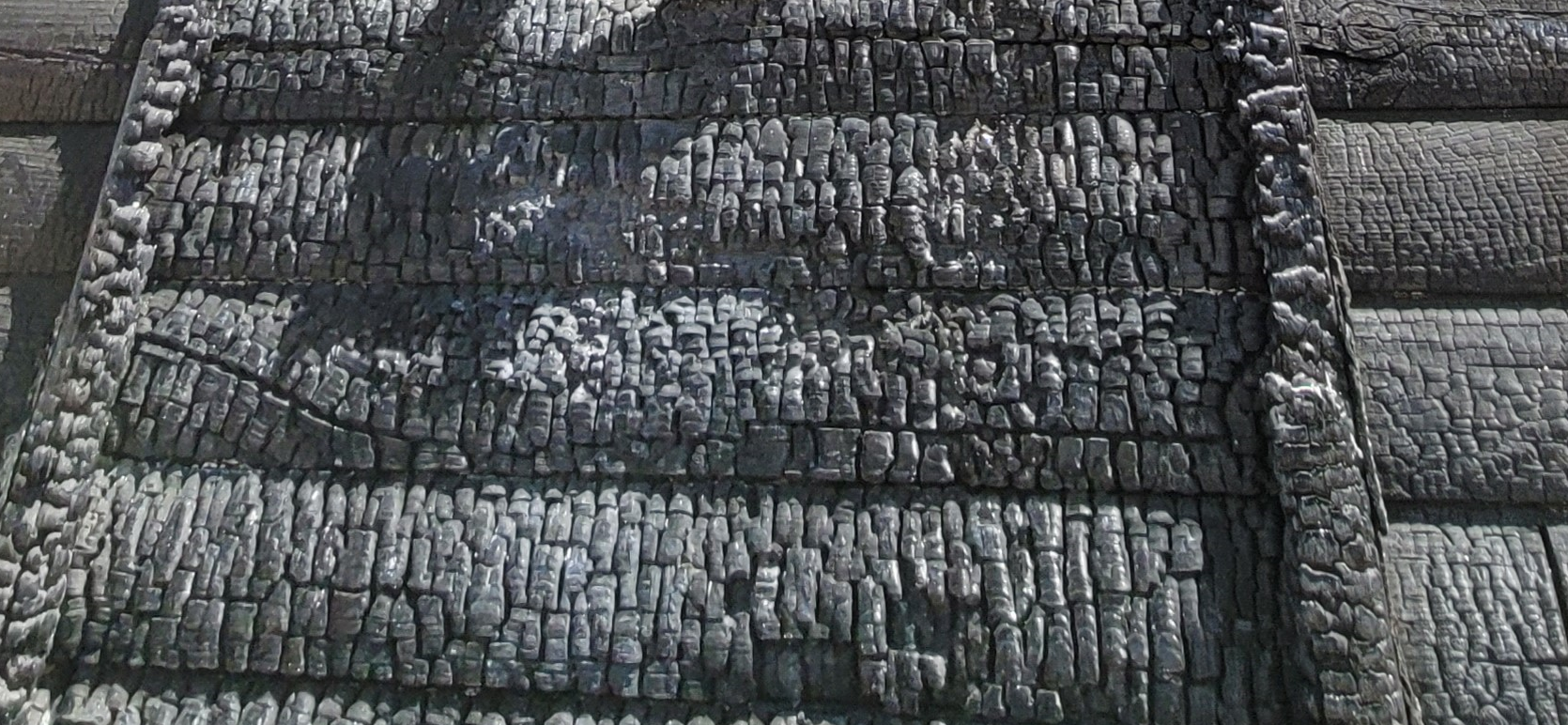
Great question! A lot of people in Japan and Alaska use this method to protect their logs but is it the best method or the cheapest? In these tough economic times, log homeowners are feeling the pinch of skyrocketing restoration services and stain prices. Picture this: You are worried about your logs rotting because you see the stain is failing on your cabin. DIY-you’re the guy. At the hardware store, you’re staring at a 5-gallon bucket of stain with a $370 price tag and realizing you’ll need at least ten of these bad boys. That’s a small fortune just to keep your log home looking sharp and avoid rot or damage! Naturally, you might start considering alternatives, like fire charring. “Why not?” you think. “Grab a hose, a flamethrower, and voilà—maintenance-free logs!” It sounds like a budget-friendly dream come true, as long as you don’t accidentally torch your entire cabin. But is fire charring really the superior option to save your hard-earned cash and your sanity? In this article, we’ll dive into whether you should stick with traditional staining or go full pyro with fire charring to preserve and protect your log home. What is Fire Charring? Fire charring, also known as Shou Sugi Ban, is an ancient Japanese technique traditionally used to preserve wooden structures. Shou sugi ban word doesn’t exist in Japan, a misreading of yakisugi. This method involves charring the surface of the wood with a controlled flame, creating a layer of carbonized wood. The charring process enhances the wood’s durability, making it more resistant to pests, rot, and fire. Process: The wood is first burned with a torch or flame until the surface is charred. The charred layer is then cooled and brushed off to remove loose soot. Finally, the wood is often sealed with natural oils to enhance its longevity and appearance. Benefits: Natural Insect and Fire Resistance: The carbonized layer protects against insects and is less flammable than untreated wood. Durability: When adequately charred, wood can withstand the test of time, lasting many years with minimal maintenance. This longevity is a testament to the effectiveness of fire charring in preserving wooden structures. Aesthetic Appeal: Fire charring gives the wood a unique, rustic appearance that can be very attractive. Log cabin fires are a reality for any log home owner. While fire charring offers significant benefits, it is crucial to thoroughly understand the process and potential drawbacks. This knowledge will empower you to decide whether fire charring is a suitable method for preserving your log home. Check out the references listed below for more in-depth articles from the experts in this industry. What is Staining? Staining is a tried-and-true method for protecting and beautifying log homes. Oil- and Water-based stains have their pros and cons. Unlike fire charring, which involves setting your logs ablaze (in a controlled manner, of course), staining is a bit more straightforward and less, well, fiery. Process: Preparation: The wood surface is cleaned and prepped to ensure the stain adheres. This might include media blasting, chemical stripping, priming, borating, sanding, washing, and drying the logs. Application: Stains are applied using brushes, rollers, or sprayers. Different types of stains, including oil-based and water-based, each have its own advantages. Learn more here. Drying and Sealing: Once applied, the stain needs time to dry and may require a sealant to enhance its longevity and protection. Benefits: Enhanced Aesthetics: Customizing the look your cabin is made ease with stains, which come in various colors and finishes. UV Protection: Quality stains shield against harmful UV rays, preventing the wood from graying and deteriorating. Moisture Resistance: Stains help repel water, reducing the risk of rot and mold. Staining might not have the dramatic flair of fire charring. Still, it’s a reliable method of preserving log homes for decades. Plus, it offers many aesthetic options to keep your home looking its best. Comparison: Fire Charring vs. Staining Durability: Fire Charring: When done correctly, fire charring can create a long-lasting protective layer. The carbonized surface is resistant to pests and decay, offering durability with minimal maintenance. Staining: High-quality stains can also provide excellent protection, but they generally require reapplication every few years to maintain their effectiveness. Protection: Fire Charring: Offers natural resistance to insects, rot, and fire. However, the charred layer can wear off over time, especially in harsh weather conditions. Staining: This product provides robust protection against UV rays and moisture, with specific formulations designed to combat various environmental threats. Maintenance: Fire Charring: Requires less frequent maintenance but needs a proper initial application to be effective. Touch-ups might be necessary over time; maintenance can be dangerous to the structure and surroundings. Staining: Needs regular maintenance and reapplication, typically every 3-5 years, depending on the product and environmental exposure; maintenance is not a fire hazard to the home or surroundings. Aesthetics: Fire Charring: Creates a unique, rustic look that many homeowners find appealing. The dark, textured finish can add character to your home. Staining: Offers various colors and finishes, from natural wood tones to more vibrant hues, allowing for greater customization. Cost: Fire Charring: Initial costs might be lower since it doesn’t require expensive materials, but professional application can add to the expense. Staining: Higher upfront costs for materials and labor, with ongoing expenses for reapplication. Environmental Impact Fire Charring: Generally considered eco-friendly as it doesn’t involve chemicals. The process can be sustainable if done using responsibly sourced wood. Staining: Modern stains are increasingly formulated to be environmentally friendly, with low VOC (Volatile Organic Compounds) options available. However, they still involve chemical use. Expert Opinions Fire Charring Expert: “Fire charring offers a unique and durable finish that requires minimal upkeep. However, the initial application must be done correctly to ensure longevity.” Staining Expert: “Staining provides comprehensive protection and enhances the natural beauty of the wood. It’s essential to choose the right product and maintain it regularly for the best results.” Recommendations: Consider your needs, budget, and aesthetic preferences when choosing between the two methods. Consult with professionals to determine the best approach for your log home. Conclusion Recap the key points discussed: Both fire charring and staining have their merits and drawbacks. Fire charring is low-maintenance with a unique look but requires proper application. Staining offers a variety of aesthetic options and excellent protection but requires regular upkeep. Call to Action Ready to protect and beautify your log home? Contact us today for a consultation and let our experts help you decide whether fire charring or staining is the right choice for you! Which Preserves & Protects Your Log Home Logs Best: Fire Charred or Stain? LOG MASTERS RESTORATIONS CERTIFICATES Log Masters Restorations Service Coverage Area Creative Cabin Decoration Ideas: Beyond Moose and Bear Log Cabin Caulking: Enhancing Protection and Longevity References: Books and Articles on Log Home Preservation: “Log Home Maintenance Guide: Protecting Your Log Home Investment” by Gary Schroeder “The Log Home Maintenance Guide: A Field Guide for Identifying, Preventing, and Solving Problems” by Mark A. Smith “Japanese Burnt Wood Siding: Top 10 Myths About Shou Sugi Ban” by WILLIAM BELECK , 2021 How Long Does Charred Wood Last? Coach House Timbers “Knowing About Wood Charring“, 2024 “Shou Sugi Ban Wood: Japan’s Ancient Wood Preservation Technique“, by Advantage Lumber, 2023 “Wood Stain Industry Analysis in United States” by Fact.MR 2024 Suggested Information: Technical data and product information from stain manufacturers like Sashco and Perma Chink Systems. Detailed guides and specifications from companies that specialize in fire charring techniques. The post Which Preserves & Protects Your Log Home Logs Best: Fire Charred or Stain? appeared first on Log Masters Restorations.

Via https://logmastersrestorations.com/blog/which-preserves-protects-your-log-home-logs-best-fire-charred-or-stain/


source https://johnkbrown90.weebly.com/blog/which-preserves-protects-your-log-home-logs-best-fire-charred-or-stain

Monday, July 15, 2024

Log Masters Restorations Service Coverage Area


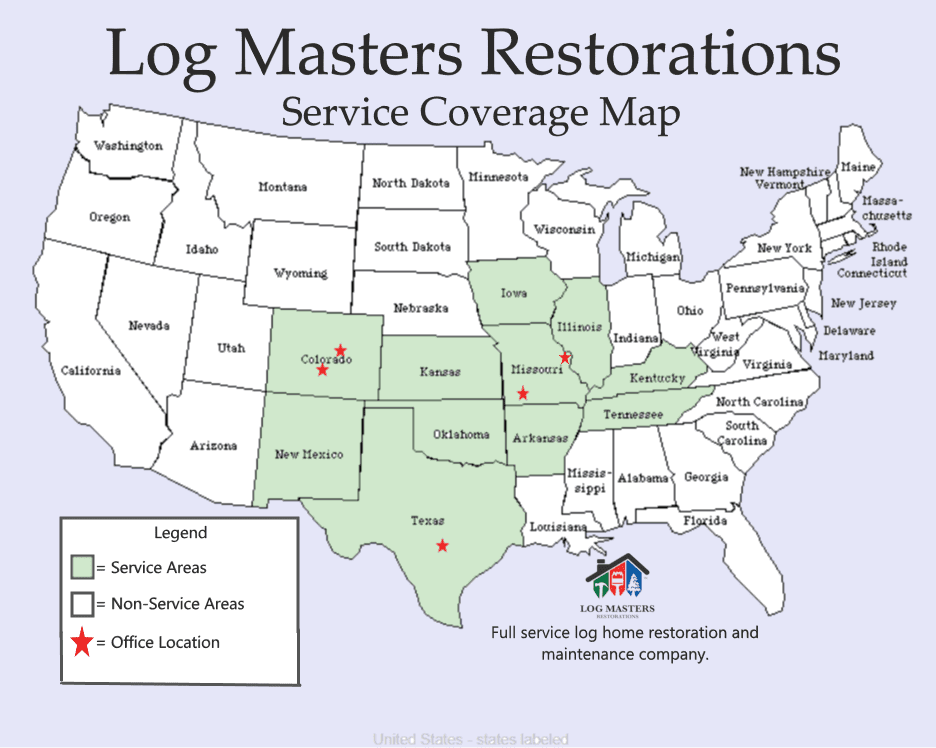
At Log Masters Restorations, we’re thrilled to announce that our service coverage area is growing to serve our customers better. We now have two fully functioning branches located in Springfield, Missouri, and Westcliffe, Colorado, from which to offer our quality services. Exciting News: We’re Expanding Our Service Coverage Area! In addition to these established locations, we’re excited to introduce three new service areas: Colorado Springs, Colorado – still awaiting Google My Business Verification! Austin, Texas – still awaiting Google My Business Verification! Chesterfield, Missouri – still awaiting Google My Business Verification! The new branches are currently in the development stage and are open to clients. You can visit these locations, but you need to set an appointment beforehand to speak with a Log Master at this location. Even though we have not fully staffed these locations, we have dedicated contractors ready to serve clients in these areas. As our client base grows, we will gradually increase our staffing to meet demand. Career & Professional Expectations of Log Masters New Locations Operational Timeline We aim to have all three new locations fully staffed with a full-time GM and reception ready for walk-ins and operational by the end of 2025. This timeline allows us to build a strong presence and ensure a sustainable client base to support an entire staff. Until then, Colorado and Missouri branch GMs will share the management responsibilities, duties, and schedules. Read more about our history! States Log Masters Restorations Services We are proud to service a wide range of states, including Texas, Missouri, Arkansas, Oklahoma, Kansas, New Mexico, Nebraska, Iowa, Illinois, Tennessee, and Kentucky. Our crews often travel anywhere between 3-8 hours from our branch locations and have made exceptions from time to time to meet specific demands in the area. For example: In 2020, we only had the Springfield Branch location when we received a flood of calls from Colorado. Our expansion to Colorado came during the wildfires when there weren't enough log home restoration companies to meet the demand. We hired more staff and sent them to restore many log homes that year, demonstrating the market need for our services there. Now, Colorado is opening a second location because of the demand. Still, finding log home restoration experts to fill the positions is challenging. This field of expertise is unique, and it takes years to get sufficient training to handle any log home restoration. We still learn new innovative ways to tackle log cabin restoration. Do Hire Employees or Subcontractors? The general expectations of a Log Master employee aren’t unreasonable. However, finding hardworking, dedicated staff has proven to be a challenge in our current society. It takes unique individuals willing to do physical labor during the heat of summer (or during the cold of fall and spring), travel away from friends and family, and stick with it for years to gain the master skills necessary to work independently or run a crew with no input. Few young people enter this industry, and seeing rare diamonds among the few is rare. Are we seeking a Log Master? Yes, and if you know of someone, send them to our article ‘Seeking Future Log Masters.’ There are several benefits to becoming a Log Master Employee. Hiring Subcontractors Crews in Your Area Do we hire subcontractors? Yes, we do. While we do try to hire staff to put on our payroll, many experienced in this industry prefer subcontracting. It allows them to dictate which jobs they will do and when. Just so you know, they must have years of experience in log home restoration with referrals, means of travel and towing, carry adequate insurance, and have tools and equipment expected for a log home restoration. Otherwise, they’d only qualify for apprenticeship in Spring. Subcontractor Benefits The benefits of hiring subcontractors are manifold. Aside from the previously mentioned subcontractor preference, it allows us to find contractors closer to your residence and save on the travel contract’s expenses. What’s more, our list of contractors is constantly growing, making it easier to meet the needs of more log homeowners. Additionally, with our project manager overseeing the progress and getting daily feedback, log cabin owners can rest easy having a quality control list that thoroughly goes over every step of the restoration process and what to expect. The project manager is also there to explain each step and be available for any issues that could arise, whether from the homeowner or crews. Vetting Subcontract Crews All subcontracting crews have been thoroughly vetted, insured up to $2 million, and carry worker’s compensation. Additionally, during the first year, we have an experienced project manager from Log Masters on-site to ensure the process meets the high standards that customers have come to depend upon. Our commitment to quality work is unwavering. ‘Why Do Log Home Restoration Companies Hire Subcontractors‘ can help you find the answers to that question. Have a hard working log home restoration crew, but don’t want the hassle of business administration, then check out ‘Calling All Log Home Subcontractors.‘ Can you work at these heights? Not many people can overcome their fear, much less work at these heights. Our skilled professional Log Masters can media blast at almost any height your log home reaches. We always use OSHA Safety procedures, and we are insured in case of any accidents, so the homeowner avoids any work-related liability. Learn what it takes to be a Log Master here! Thank You for Your Understanding and Patience We appreciate your understanding and patience as we expand. Our commitment to providing top-quality restoration and maintenance services remains steadfast, and we look forward to serving even more customers in our new locations. Stay tuned for more updates, and thank you for being a valued part of the Log Masters Restorations community! The post Log Masters Restorations Service Coverage Area appeared first on Log Masters Restorations.

Via https://logmastersrestorations.com/blog/log-masters-restorations-service-coverage-area/


source https://johnkbrown90.weebly.com/blog/log-masters-restorations-service-coverage-area

Wednesday, July 3, 2024

Creative Cabin Decoration Ideas: Beyond Moose and Bear


When decorating your cabin, the classic images of bears and moose often come to mind. While these themes bring a rustic charm and a touch of wilderness, cabin décor can be much more versatile and personalized, creating a space that is uniquely yours and designed for comfort. Now, don’t get me wrong. There’s nothing wrong with bear and moose themes, but if you are looking for an original look from everyone who owns a cabin, you came to the right article. At Log Masters Restorations, your cabin should reflect your unique style and preferences, creating a cozy retreat that feels like home. If you want to order cabin decorations and see something you like in this article, head to Ozark Cabin Decor to order it today! Ready to Buy a Log Cabin? Read Financing and Insuring Log Homes first. Handcrafted & Hand-Stenciled Lodge Animals Oval Braided Natural Jute Fiber Rug. You can purchase this from Ozark Cabin Decor online today! Personal Touches Your cabin should reflect your personality. You can display family photos, travel souvenirs, and photos, or hang up some of your sporting gear with a framed picture of you using them. A map of the state with the trails you’ve hiked marked. These personal touches make your cabin uniquely yours and create a welcoming environment for you and your guests. To avoid being cliche, consider the following suggestions: Enhance Your Home’s Aesthetic Charm Nature-Inspired Decor Instead of sticking to the usual animal motifs, consider drawing inspiration from the broader beauty of nature. Potted plants is a great way to bring nature into the cabin. Incorporate elements like tree branches, pinecones, precious stones, and wildflowers into your decorations. Twig wreaths, pinecone centerpieces, crystals, fossils, antlers, or floral prints can add a touch of elegance while maintaining that natural feel. A simple pinecone can be spray painted and used in a variety of ways. With a little ingenuity, you could use branches from the forest to make a mason jar chandelier. Consider the powerful elements of fire, water, air, and earth in your plans for maximum impact. Our friends at Ozark Cabin Decor have a wide selection of natural decor to choose from and ship to you. See a few below. An easy craft is plant pressing; take leaves or flowers from the forest, press flat to dry (many use book pressing) and place them in a picture frame. To make them more unique, write the plant name and pick location below it. The advantage of embracing creative nature decor is its affordability; much of the decor can be resourced on a nature trip. Just make sure you know the natural resource collection limits for your area. For more ideas, consider these I found on Pinterest. With the lamp resembling a vintage Evinrude motor, be prepared for it to spark conversation and add a unique ambiance to any room! Vintage and Antique Finds Enhance the character of your cabin with antique pieces. Old lanterns, kitchen gadgets from before electricity, rustic wooden furniture, and vintage signs can create a charming, nostalgic atmosphere. Visit local thrift shops or antique stores to find unique items that tell a story and add warmth to your space. One of my favorite things to do is thrift shop while traveling. It’s like looking for lost treasures and makes for interesting stories that reference our trips. General Expectations of a Log Master Modern Rustic Blend This accent will be perfect for your rustic cabin, lodge, ranch, or country-style home. Combine modern elements with rustic charm to give cabin décor a contemporary twist. This is one of my favorite ways to decorate. Pair sleek furniture with clean lines with natural wood and stone. Use neutral color palettes and add pops of color with cushions, throws, or artwork to create a harmonious and stylish look. You can also consider incorporating leather and fur accents. Artisan Crafts and Handmade Items Explore the town your cabin resides in and support local artisans by incorporating handmade crafts into your décor. Items like pottery, handwoven rugs, and handcrafted wooden items not only add a personal touch but also support the local community. For rental cabins, consider attaching their business card to the item or keep a binder with where you purchased the art pieces for visitors. These items often have a unique charm that mass-produced goods can’t replicate. Boldly display American pride and patriotism with these beautiful American Made Handcrafted Wooden Flags, Wall Art. | Handcrafted Rustic Wooden Waving American Flag Wall Art made in the U.S.A. Log Master’s Privacy Policy Seasonal Decor Rotate your cabin decorations with the seasons. In the fall, incorporate pumpkins, gourds, and autumn leaves. For winter, add cozy blankets, fairy lights, pinecone branches, and snowflake decorations. Bring in the spring by adding potted tulip bulb plants, hanging plants and herbs, or pick some wildflowers or dog wood for a vase on the dining table. This not only keeps your cabin feeling fresh but also allows you to celebrate the changing seasons in style. In Conclusion Decorating your cabin is an opportunity to showcase your creativity and personal style. By thinking beyond the traditional bear and moose motifs, you can create a space that is both beautiful and uniquely yours. For more inspiration and expert advice on maintaining and enhancing your cabin, visit Ozark Cabin Decor. Free Online Estimates for Log Home Repair and Maintenance What Ozark Cabin Decor LLC Offers We currently offer thousands of products, many of them handmade in the U.S.A. In fact, we seek out quality products made in the U.S.A. After all, we are a small business owners ourselves. Small businesses built America! Ozark Cabin Décor, LLC offers eco-friendly, and biodegradable braided jute rugs and jute home décor from Earth Rugs. Earth Rugs is celebrating over 40 years of business having begun in 1980. We have also partnered with Wooded River and Fireside Lodge Furniture Co. and are proud to offer handcrafted lodge furniture and handcrafted luxury bedding, and cabin décor. Designed and hand-crafted in the U.S.A., Wooded River and Fireside Lodge’s quality bedding, furniture, and home décor will create the perfect ambiance for your home or cabin. Our handcrafted Natural Cedar Log, Barnwood, and Hickory Furniture manufactured by Fireside Lodge Furniture Co. and Wooded River’s luxury bedding, pillows, and soft goods serve campgrounds and resorts, lodges, retailers, and hospitality accounts and is the nations largest manufacturer and supplier of rustic handcrafted furniture. Interior Designers, Spas, Lodge Resorts have come to rely on these commercial-quality goods for their guests and customers. America is still a very industrial nation full of wonderful Artisans who build beautiful, quality products unlike any other. We have partnered with a company of Blacksmiths who hand-forges iron the old fashion way (Hammered Out On An Anvil), into beautiful beds and home décor. We have a very talented Wood Craftsman who makes various wooden flags that our U.S. Veterans and First Responders absolutely love. We love that we have unique, made-to-order products and a wonderful business relationship with all of these suppliers. We are very pleased to have partnered with other prominent suppliers in the U.S.A., more recently, Meyda Lighting, to offer you quality lodge cabin bedding, cabin décor. All of our suppliers have truly been a blessing and a pleasure to work with. From their About Us Page at https://www.ozarkcabindecor.com/pages/about-us on 6/27/2024 Services from Log Masters Restorations The post Creative Cabin Decoration Ideas: Beyond Moose and Bear appeared first on Log Masters Restorations.

Via https://logmastersrestorations.com/blog/creative-cabin-decoration-ideas-beyond-moose-and-bear/


source https://johnkbrown90.weebly.com/blog/creative-cabin-decoration-ideas-beyond-moose-and-bear

The Real Cost of Deferred Maintenance on a Log Cabin Rental Property

Owning a log cabin rental should feel like the perfect investment. It offers guests a peaceful escape, creates a steady income, and showcase...